KM-banner1.jpg
KM-banner9.jpg
KM-banner10.jpg
KM-banner11.jpg
KM-banner12.jpg
KM-banner13.jpg
KM-banner14.jpg
KM-banner15.jpg
KM-banner16.jpg
KM-banner25.jpg
KM-banner24.jpg
KM-banner23.jpg
KM-banner22.jpg
KM-banner21.jpg
KM-banner20.jpg
KM-banner2.jpg
KM-banner19.jpg
KM-banner18.jpg
KM-banner17.jpg
KM-banner26.jpg
KM-banner27.jpg
KM-banner28.jpg
KM-banner29.jpg
KM-banner3.jpg
KM-banner30.jpg
KM-banner31.jpg
KM-banner4.jpg
KM-banner5.jpg
KM-banner6.jpg
KM-banner8.jpg
KM-banner7.jpg
Shadow

Membership

Friends of Kagyu Monlam

Sharing a vast ocean of merit...       

Over 5,000 monks and nuns come to Bodhgaya each year to participate in the Monlam. The Kagyu Monlam organization pays for their transportation, food, and lodging and makes offerings to them. In addition it funds charitable programs such as Medical Camp and Animal Medical Camp. All of these require significant resources. For this reason, the Friends of Kagyu Monlam was created to encourage people to support these virtuous activities.

“Being a Friend of Kagyu Monlam is like being a member of a loving family.”

                              ~  H.H. the 17th Karmapa Ogyen Trinley Dorje


Join us...

Please sign up to become a Friend of the Kagyu Monlam. Even if you don’t join us in person at the Monlam in Bodhgaya, your support will allow you to share the merit and create an auspicious connection for the future.

Annual Membership is still only $150 US dollars  

Sign up online using PayPal or bank transfer or register in person at Kagyu Monlam in Bodhgaya


Benefits for Friends at Kagyu Monlam in Bodhgaya

In addition to sharing the vast ocean of merit there will be a group audience with His Holiness the Seventeenth Karmapa and 8 days of vegetarian meals during Kagyu Monlam in Bodhgaya.


How To Join


1. Payment to US bank account

2. Payment to Honk Kong bank account

OR

About the Kagyu Monlam

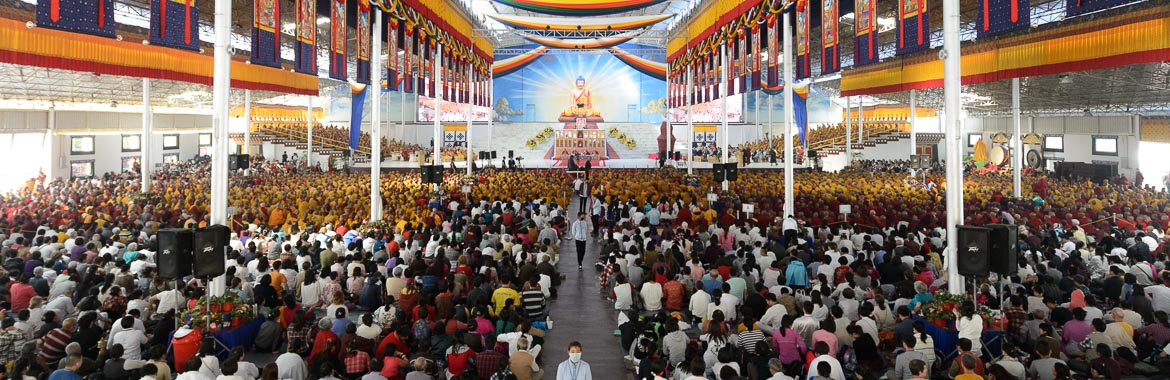
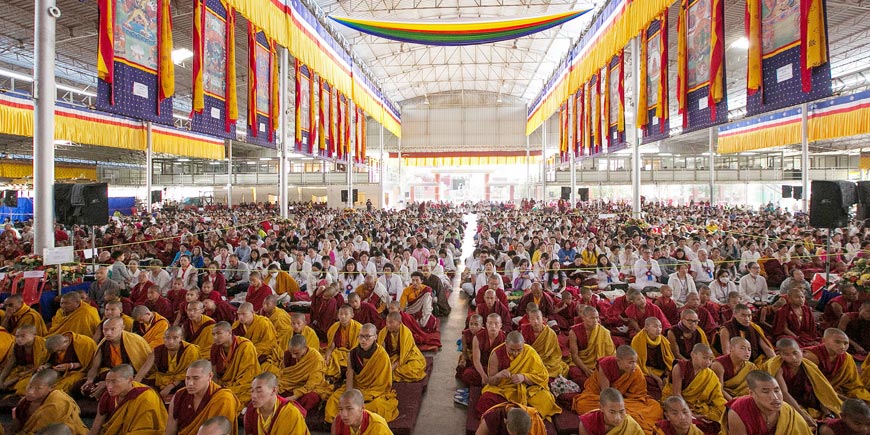
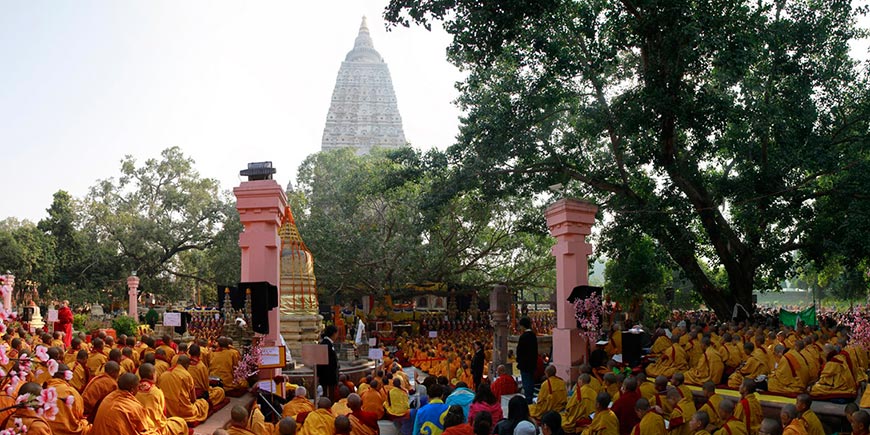
The Kagyu Monlam is a major international prayer festival held annually in Bodhgaya, India, one of the most sacred sites for Buddhists worldwide. Thousands of people gather together in order to listen to Buddhist teachings and to pray for peace and harmony on earth  and  the well-being  and happiness of all the world. His Holiness the 17th Karmapa, Ogyen Trinley Dorje, head of the Karma Kagyu school of Tibetan Buddhism, presides over the festival. 

History:
Though the Kagyu Monlam belongs fully to the contemporary world, its roots lie in 15th-century Tibet, where the 7th Karmapa, Chödrak Gyatso, established the tradition of great prayer gatherings.  People from all over Tibet assembled annually to pray for the benefit of all sentient beings. In India, the Monlam tradition began in 1983, when two great lamas in the Kagyu tradition of Tibetan Buddhism, Kalu Rinpoche and Bokar Rinpoche, began holding annual prayer gatherings at the Mahabodhi Temple in Bodhgaya.

After the 17th Karmapa assumed responsibility for the festival in 2004, he brought in many innovations, creating the international festival that exists today. Under his leadership, the size and scope of the event have increased greatly.  Recent Monlams have been attended by approximately 7,000 monks and nuns, supported by more than 3,000 lay followers.  Many special events such as empowerments draw crowds of more than 12,000 Buddhists.

From its humble beginnings, the Monlam has become a truly international prayer festival, meeting the needs of an international Buddhist community.   Followers travel to Bodhgaya to join the Monlam not only from across India, Nepal and the Himalayan region, but from more than 50 different countries in South Asia, North America and South America, Africa and Europe. In addition, thousands of devotees worldwide watch the webcast of the festival live via Internet. The special book of prayers, compiled by the Karmapa, is available in 13 languages— in the original Tibetan, and in Hindi, Nepali, English, Spanish, Chinese, French, German, Polish, Russian, Indonesian, Korean, and Vietnamese. Oral translation into these languages is available over FM radio at the events themselves and on the webcast.   In recognition of the origins of Buddhism in India and its connection with ancient Indian culture, the Karmapa has re-instated the use of Sanskrit and traditional Indian liturgical settings for core prayers.

His Holiness has also introduced charitable activities in the local area during the Monlam. These have included cleaning the area and planting trees to protect the natural environment, providing a source of safe drinking water near the Mahabodhi Temple, free medical care for local people, and a veterinary camp with an outreach program for their animals. During the Monlam, monks and nuns follow the ancient tradition of the Karmapa’s Great Encampment (Garchen) in Tibet, living in tents and sharing vegetarian meals from a huge communal kitchen.  

The 17th Karmapa Ogyen Trinley Dorje’s Aspiration for the Kagyu Monlam

I make this aspiration that when you recite these prayers during the Monlam, each word may first arise in your heart, and then emerge from your mouth. I pray that every letter and syllable becomes a golden image and that every word fills the entire world. May all the sounds of lament and war as well as the poisonous winds in the environment be dispelled. May these words of love and compassion blend with the innate goodness of every single being and coalesce into one powerful force. Like the light of the sun, moon and stars, may love, compassion and wisdom shine forth. May they strike every single living being and dispel the darkness of ignorance, attachment and hatred that has lurked for ages in their being. When any living being meets another, may it be like the reunion of a mother and child after a long separation. In a harmonious world such as this, may I see everyone sleep peacefully to the music of non-violence. This is my dream.

How to Participate


Registration

Everyone is welcome to attend the Kagyu Monlam, free of charge. There is no online registration for the event. For security reasons, all participants must register in person at the Kagyu Monlam Pavilion in order to receive a participant card. The registration schedule will be posted at the Kagyu Monlam Pavilion and on the Tergar Monastery bulletin board before the event starts. You will need to bring your passport and one passport-size photo with you. 


Location

Kagyu Monlam Pavilion Bodhgaya, Bihar 824231, India


Additional Information

1. We encourage all attendees to become members of the Kagyu. Monlam. Membership costs $150USD and affords many benefits, including a meal plan during the Monlam. You can also become a member of Kagyu Monlam if you wish to support the event but are unable to attend in person.
2. General or specific offerings, please check Kagyu Monlam Sponsorship.
3. For ordained sangha registration information, please email This email address is being protected from spambots. You need JavaScript enabled to view it.
4. For layperson group registration information, please email This email address is being protected from spambots. You need JavaScript enabled to view it.
5. Travel options to and from Bodhgaya.
6. Book your accommodation.


Monlam History

The Four Karmapas

The Karmapas who have a particular connection with Monlam are the Seventh to the Tenth Karmapa. They are, in order: Karmapa Choedrak Gyatso who was skilled in logic and Madhyamika; Karmapa Mikyod Dorje who composed an unparalleled commentary on both sutra and tantra; Karmapa Wangchuk Dorje for compiling the essential instructions for Mahamudra; Karmapa Choeying Dorje for unfolding the secret meaning of Arts, Crafts and Poetry. They had the experience of leading the Monlam assemblies at different times and have become the symbol of protection and support for the survival or demise of Kagyu Monlam.
 

Modern Era Monlam Hisotry


1983

held from 5th -19th November for two weeks at Bodhgaya. Kyabje Kalu Rinpoche and Kyabje Bokar Rinpoche presided over this Monlam which was attended by some two hundred ordained monks. The Third Jamgon Kongtrul Rinpoche also came for one day.

1984

a two week-long Monlam, held in November, was attended by a good number of monks and pilgrims.

1985

a two week-long Monlam was held in November like the preceding year.

1986

monks and pilgrims gathered for Monlam at the end of the year, led by Kyabje Bokar Rinpoche.

1987

held for three weeks from 30th December. Kyabje Kalu Rinpoche and Kyabje Bokar Rinpoche presided over this Monlam, which was attended by lamas and monks. They made offerings. The Twelfth Situ Rinpoche also made an appearance.

1988

Monlam was held at the end of the year, presided over by Kyabje Kalu Rinpoche and Kyabje Bokar Rinpoche.

1989

since Kyabje Kalu Rinpoche had passed away, Monlam was held at his seat in Sonamda.

1990

Kyabje Bokar Rinpoche was travelling abroad and could not come for the Monlam, but gave instructions to Lama Choedrak who organised the Monlam at Bodhgaya. It was attended by a good number of lamas, monks and pilgrims.

1991

Monlam was organised in the same way as the previous year.

1992

held from 18th November for ten days. Kyabje Kalu Yangsi Rinpoche and Kyabje Bokar Rinpoche presided over this Monlam. Over two hundred ordained monks attended and made elaborate offerings.

1993

held from 14th December for ten days. It was attended by Kyabje Kalu Yangsi Rinpoche, Kyabje Bokar Rinpoche and over two hundred ordained monks.

1994

Kyabje Bokar Rinpoche was abroad at the time but gave instructions that the Monlam be held as usual and it was attended by a good number of lamas, monks and pilgrims.

1995

held from 1st December for seven days. Kyabje Bokar Rinpoche presided over this Monlam. It was attended by over one hundred monks, nuns and pilgrims.

1996

held from 15th November for ten days. Presided over by Kyabje Bokar Rinpoche, the Monlam was attended by some seven hundred lamas, tulkus, monks, nuns and pilgrims. The year’s Monlam activities consisted of recitation of a hundred thousand
Samantabhadra prayers and Praises to Tara, and the reading of the Kagyur. Finally, an elaborate Pakshi-La-Drup tshog offering marked the end of Monlam.

1997

held from 28th November for ten days. Presided over by Kyabje Kalu Yangsi Rinpoche and Kyabje Bokar Rinpoche, over three thousand monks and nuns of the Kamtshang Kagyu lineage from India, Nepal and Bhutan gathered for this Monlam. Like the previous year, elaborate prayers were organised for the well-being of all beings and particularly for the long life and flourishing activity of the Seventeenth Gyalwang Karmapa. Monlam was formally re-named as the Kamtshang Kagyu Sangha Monlam.

1998

held from 26th December for ten days. Under the blessing umbrella of Kyabje Kalu Yangsi Rinpoche and Kyabje Bokar Rinpoche, over two thousand monks and nuns assembled for the Monlam.

1999

held from 12th December for eight days. Kyabje Bokar Rinpoche presided over five thousand monks and nuns, assembled for the Monlam. His Holiness the Dalai Lama presided over one whole afternoon session on the eighth day. He gave the transmission of a special, non-sectarian Monlam text for the flourishing of the Buddhist teachings, which he himself had composed, Rime Tengyal Monlam. He also gave an address on what is to be abandoned and what is to be cultivated.

2000

presided over by Kyabje Bokar Rinpoche, over one thousand and five hundred monks and nuns attended the Monlam.

2001

held from 13th December for eight days. This elaborate Monlam was the first to be presided over by Pal Gyalwang Karmapa Ogyen Trinley Dorje, along with the Third Kyabje Jamgon Kongtrul Rinpoche and the Twelfth Kyabje Gyaltshab Rinpoche. Over three thousand sangha members, monks and nuns, assembled for this Monlam. Pal Gyalwang Karmapa began teaching the Jewel Ornament of Precious Liberation and also bestowed a long-life empowerment and precious advice.

2002

held from 31st December for eight days. Pal Gyalwang Karmapa presided over this Monlam and there were over five thousand attendees, both monks and nuns. Pal Gyalwang Karmapa gave advice for the benefit of both sangha and lay community.
His Holiness the Dalai Lama blessed the Monlam by presiding over the tshog offering on the last day.

2003

held from 30th December for eight days. Over two thousand monks and nuns attended. Pal Gyalwang Karmapa continued his teaching on the Jewel Ornament of Precious Liberation. He and Kyabje Bokar Rinpoche together re-named Kamtshang Kagyu Sangha Monlam as Kagyu Monlam.

2004

held from 19th December for eight days. Because Kyabje Bokar Rinpoche had passed away, Pal Gyalwang Karmapa took charge of Monlam in the interest of the teaching in general and particularly for the continuity of the Monlam. He prepared a code of conduct and dress for monks and nuns in accordance with the Vinaya tradition. Over three thousand monks and nuns attended the Monlam and recited the Monlam Ritual Prayers composed by the Seventh Karmapa. The alms gathering procession was held for the first time.

2005

because of the nature of the Tibetan calendar, 2005 and 2006 Monlams were held in the same year. The 2005 Monlam was held from 7th January 2006 for eight days.It was presided over by Pal Gyalwang Karmapa and attended by over three thousand monks and nuns. He revived the tradition of setting up an elaborate altar with huge butter sculptures of Marpa, Milarepa, and Dagpo. He specially commissioned statues of these three fathers of the Kagyu lineage from Nepal, and distributed them to all Kagyu monasteries and centres worldwide. In addition, he concluded his teachings on the Jewel Ornament of Precious Liberation.

2006

held from 27th December for eight days. Pal Gyalwang Karmapa set up a network of teams to make the preparations for Monlam and appointed heads and deputies to supervise them. He presided, along with many senior lamas and tulkus. Over five thousand monks and nuns attended the Monlam. Pal Gyalwang Karmapa began teaching on The Life of Milarepa.

2017

34th Kagyu Monlam Program

2018

35th Kagyu Monlam Program

2019

36th Kagyu Monlam Program

2020

37th Kagyu Monlam Program

2023

Special Kagyu Monlam 20233

37th Kagyu Monlam Program

January 28 - February 9, 2020

The Grand Examination of Monastic Forms

January 28-30


7:00 - 9:00 pm • The Grand Examination of Monastic Forms

Pre-Monlam Teachings
Live Webcast

January 28, Day 1


8:00 - 9:30 am • Vajradhara Lineage Prayer ( 272, 255 )
  • Mandala Offering with 37 Features ( 613 )
  • Meditation Instructions
   
9:30 - 10:00 am • Tara Recitation and Tea Service
   
10:00 - 11:30 am • Meditation Instructions
  • Aspiration of Mahamudra ( 353, 329 )
  • Well Being of Tibet ( 427, 382 )
   
2:00 - 3:00 pm • Vajradhara Lineage Prayer ( 272, 255 )
  • Mandala Offering with Seven Features ( 619 )
  • Meditation Instructions
   
3:00 - 3:30 pm • Tara Recitation and Tea Service
   
3:30 - 5:00 pm • Western-style debate: Is it Proper for Ngakpa Lamas to Drink Alcohol?
   

January 29, Day 2


8:00 - 9:30 am • Vajradhara Lineage Prayer ( 272, 255 )
  • Mandala Offering with 7 Features ( 619 )
  • Meditation Instructions
   
9:30 - 10:00 am • Tara Recitation and Tea Service
   
10:00 - 11:30 am • Meditation Instructions
  • Aspiration of Mahamudra ( 353, 329 )
  • Well Being of Tibet ( 427, 382 )
   
2:00 - 3:00 pm • Vajradhara Lineage Prayer ( 272, 255 )
  • Mandala Offering with Seven Features ( 619 )
  • Meditation Instructions
   
3:00 - 3:30 pm • Tara Recitation and Tea Service
   
3:30 - 5:00 pm • Western-style debate: Is it Proper for Monastics to Eat Meat? (Monlam Pavilion)
   

January 30, Day 3


8:00 - 9:30 am • Vajradhara Lineage Prayer ( 272, 255 )
  • Mandala Offering with 7 Features ( 619 )
  • Meditation Instructions
   
9:30 - 10:00 am • Tara Recitation and Tea Service
   
10:00 - 11:30 am • Meditation Instructions
  • Mandala with 37 Features
  • Aspiration of Mahamudra ( 353, 329 )
  • Well Being of Tibet ( 427, 382 )
   
2:00 - 3:00 pm • Vajradhara Lineage Prayer ( 272, 255 )
  • Mandala Offering with Seven Features ( 619 )
  • Meditation Instructions
   

100,000 Ganachakras of Sangtik Vajrasattva
Live Webcast


January 31

   
8:00 am - 9:30 am • Session I
   
10:00 am - 11:30 am • Session II
   
2:00 pm - 3:30 pm • Session III
   
4:00 pm - 5:30 pm • Session IV
   

Exercises from the Yogas of Naropa

February 1 - 7


8:00 - 11:00 pm • Exercises from the Yogas of Naropa

The 37th Kagyu Monlam
Live Webcast

February 2, Day 1

   
6:00 - 8:30 am • Mahayana Sojong Vows ( 3, SI )
  • Sanskrit Prayer ( 7,17 )
  • Refuge and Bodhichitta and following ( 31-42, 24-35 )
  • Praises from the Sutra of Ornamental Appearances ( 43, 36 )
  • Praises from Ornament of the Sutras ( 62-80, 55-72 )
  • An Explenation from the Sutra in Three Sections
  • The Sutra in Three Sections and following ( 62-80, 55-72 )
  • Aspiration from the Ratnavali (113, 107)
   
9:00 - 10:30 am • Mandala Offering with 37 Features (613)
  • Supplication to the Lineage of the Bodhisattva Vow ( 274 )
  • Teachings on The Seventy-Two Exhortations
  • Meditation ( 5 min )
  • Stages of the Path ( 341, 317 )
  • Recitation of the Concise Aspiration ( 169 )
  • Dedications for the Living and Deceased (170, 164–70)
  • The Dharani for the Fulfillment of Aspirations (175, 169)
  • The Aspiration for the Teachings to Flourish ( 621 )
   
1:30 - 3:00 pm • The Noble Aspiration for Excellent Conduct ( 117, 111 )
  • Maitreya’s Aspiration ( 130, 124 )
  • The Aspiration from the Way of the Bodhisattva ( 136, 130 )
   
3:30 - 5:00 pm • The Accomplishment of True Words ( 333, 309 )
  • Joy and Comfort for Beings ( 337, 313 )
  • Stages of the Path ( 341, 317 )
  • The Indestructible Garland of Vajra ( 181, 175 )
  • Long Life Prayers ( 600–610, S14 )
  • Offerings to the Protectors ( 479-484, 431-436 )
  • Aspiration for Well-Being of Tibet ( 427, 382 )
  • Verses on Joy and Goodness from the Sutra Requested by a God ( 197, 191 )
  • The Dharma Blaze Aspiration ( 177, 171 )
  • "The one who taught the truth..." ( 221, 215)
 

February 3, Day 2

   
6:00 - 8:30 am • Mahayana Sojong Vows ( 3, SI )
  • Sanskrit Prayer ( 7,17 )
  • Refuge and Bodhichitta and following ( 31-42, 24-35 )
  • Praises from the Rashtrapala Sutra and following ( 54–80, 47–72 )
  • A Praise of Manjushri ( 227, 221 )
  • Praise of Noble Avalokiteshvara ( 229, 223 )
  • The Sutra in Three Sections and following ( 81-116, 74-110 )
   
9:00 - 10:30 am • Mandala Offering with 7 Features (619)
  • Supplication to the Lineage of the Bodhisattva Vow ( 274 )
  • Teachings on The Seventy-Two Exhortations
  • Meditation ( 5 min )
  • Stages of the Path ( 341, 317 )
  • Recitation of the Concise Aspiration ( 169 )
  • Dedications for the Living and Deceased (170, 164–70)
  • The Dharani for the Fulfillment of Aspirations (175, 169)
  • The Aspiration for the Teachings to Flourish ( 621 )
   
1:30 - 3:00 pm • The Noble Aspiration for Excellent Conduct ( 117, 111 )
  • The Sukhavati Prayer “I prostrate with respect” ( 149, 143 )
   
3:30 - 5:00 pm • An Aspiration for the Dharma of the Shangpa Kagyu ( 343, 319 )
  • The Thirty Aspirations ( 351, 327 )
  • The Indestructible Garland of Vajra ( 181, 175 )
  • Long Life Prayers ( 600–610, S14 )
  • Offerings to the Protectors ( 479-484, 431-436 )
  • Aspiration for Well-Being of Tibet ( 427, 382 )
  • The Auspiciousness of Twelve Deeds ( 190, 184 )
  • The Dharma Blaze Aspiration ( 177, 171 )
  • "The one who taught the truth..." ( 221, 215)
 

February 4, Day 3

   
6:00 - 8:30 am • Mahayana Sojong Vows ( 3, SI )
  • Sanskrit Prayer ( 7,17 )
  • Offerings to the Medicine Buddha (501, S45)
   
9:00 - 10:30 am • Mandala Offering with 7 Features (619)
  • Supplication to the Lineage of the Bodhisattva Vow ( 274 )
  • Teachings on The Seventy-Two Exhortations
  • Meditation ( 5 min )
  • Stages of the Path ( 341, 317 )
  • Recitation of the Concise Aspiration ( 169 )
  • Dedications for the Living and Deceased (170, 164–70)
  • The Dharani for the Fulfillment of Aspirations (175, 169)
  • The Aspiration for the Teachings to Flourish ( 621 )
   
1:30 - 3:00 pm • Praises of Tara and Sarasvati ( 281–306, 259–284 )
   
3:30 - 5:00 pm • The Aspiration of Avalokita ( 360, 336 )
  • Twenty Aspirations of Taklungthangpa ( 367, 343 )
  • The Aspiration of Trophu ( 372, 348 )
  • The Indestructible Garland of Vajra ( 181, 175 )
  • Long Life Prayers ( 600–610, S14 )
  • Offerings to the Protectors ( 479-484, 431-436 )
  • Aspiration for Well-Being of Tibet ( 427, 382 )
  • “May he who utterly conquers greed...” ( 187, 181 )
  • The Dharma Blaze Aspiration ( 177, 171 )
  • "The one who taught the truth..." ( 221, 215)
 

February 5, Day 4

   
6:00 - 8:30 am • Mahayana Sojong Vows ( 3, SI )
  • Sanskrit Prayer ( 7,17 )
  • Refuge and Bodhichitta and following ( 31-42, 24-35 )
  • Praises from Ornament of the Sutras and the following ( 62-80, 55-72 )
  • The Praise “Beautiful Ornament of the Earth” ( 251, 244 )
  • Praise of Shri Samantabhadra with Aspirations ( 254, 246 )
  • Praise of the Six Ornaments and Two Great Beings ( 267, 250 )
  • The Sutra in Three Sections and following ( 81–116, 74–110 )
   
9:00 - 10:30 am • Mandala Offering with 7 Features (619)
  • Supplication to the Lineage of the Bodhisattva Vow ( 274 )
  • Teachings on The Seventy-Two Exhortations
  • Meditation ( 5 min )
  • Stages of the Path ( 341, 317 )
  • Recitation of the Concise Aspiration ( 169 )
  • Dedications for the Living and Deceased (170, 164–70)
  • The Dharani for the Fulfillment of Aspirations (175, 169)
  • The Aspiration for the Teachings to Flourish ( 621 )
   
1:30 - 3:00 pm • Clearing the Path of Obstacles ( 308, 285 )
  • Spontaneous Fulfillment of Wishes ( 321, 297 )
  • Requested Prayers for the Removal of Obstacles
   
3:30 - 5:00 pm • Yelpa’s Aspiration ( 379, 358 )
  • The Aspiration "The Wish-Fulfilling Jewel" ( 380 )
  • An Aspiration for the Seven Spiritual Trainings ( 383 )
  • The Indestructible Garland of Vajra ( 181, 175 )
  • Long Life Prayers ( 559–610, S14 )
  • Offerings to the Protectors ( 479-484, 431-436 )
  • Aspiration for Well-Being of Tibet ( 427, 382 )
  • “I prostrate to the Buddha...” ( 186, 180 )
  • The Dharma Blaze Aspiration ( 177, 171 )
  • "The one who taught the truth..." ( 221, 215)
 

February 6, Day 5

   
6:00 - 8:00 am • Mahayana Sojong Vows ( 3, SI )
  • Sanskrit Prayer ( 7,17 )
  • Refuge and Bodhichitta and following ( 31-42, 24-35 )
  • Praises from Ornament of the Sutras and the following ( 62-80, 55-72 )
  • Supplication of the Twenty-Five Chariots ( 270, 253 )
  • The Short Vajradhara Lineage Prayer ( 272, 255 )
  • The Sutra in Three Sections and following ( 81–116, 74–110 )
  • The Aspiration from the Ratnavali ( 113 )
   
8:00 am • Kangyur Procession
   
9:00 - 10:30 am • Mandala Offering with 37 Features (613)
  • The Praise of the Twelve Deeds( 69 )
  • Reading the Kangyur
  • The Aspiration for the Teachings to Flourish ( 621 )
   
1:30 - 3:00 pm • Seven-Line Prayer ( 307 )
  • Prayers for the Well-Being of Tibet ( no English text )
  • Long Life Prayer for His Holiness the Dalai Lama ( 595 )
  • Long Life Prayer for His Holiness the Sakya Trizin ( separate text, S7 )
   
3:30 - 5:00 pm • The Noble Aspiration for Excellent Conduct ( 117, 111 )
  • The Aspiration of the Mahamudra of Definitive Meaning ( 353, 329 )
  • The Barom Aspiration ( 405, 359 )
  • Phagmodrupa's Aspiration (408, 362 )
  • The Tsalpa Aspiration ( 410, 364 )
  • The Uncommon Dedication and Aspiration( 416, 370 )
  • The Indestructible Garland of Vajra ( 181, 175 )
  • Long Life Prayers ( 600–610, S14 )
  • Offerings to the Protectors ( 479-484, 431-436 )
  • Aspiration for Well-Being of Tibet ( 427, 382 )
  • “May he who utterly...” ( 187, 181 )
  • The Dharma Blaze Aspiration ( 177, 171 )
  • "The one who taught the truth..." ( 221, 215)
 

February 7, Day 6

   
6:00 am • Mahayana Sojong Vows ( 3, SI )
  • Sanskrit Prayer ( 7,17 )
  • Refuge and Bodhichitta and following ( 31-42, 24-35 )
  • Prostrations and Offerings to the 16 Elders ( 469-471, 421-423 )
  • "For each and every being ( a protector... )" ( 37-42, 31-35 )
  • "Peerless, the sight of you never satiates..." ( 471-477, 423-429 )
  • Abbreviated offerings ( 80, 73 )
  • Abbreviated confessions ( 91, 83 )
  • Rejoicing and so forth ( 96-97, 89–90 )
  • “Arya arhats, emanations...” (478, 429–30)
   
7:00 am • Sixteen Arhat Procession
   
1:30 pm • Akshobhya Fire Puja for the Deceased (Tergar Monastery Portico)
   
1:30 - 3:00 pm • The Sutra in Three Sections ( 81, 74 )
  • Reading the Akshobya Sutra ( 487, S31 )
  • An Aspiration for the Rebirth in the Realm of Abhirati ( 431, 387 )
   
3:30 - 5:00 pm • An Aspiration for Birth in Sukhavati ( 442, 397 )
  • The Indestructible Garland of Vajra ( 181, 175 )
  • Long Life Prayers ( 600–610, S14 )
  • Offerings to the Protectors ( 479-484, 431-436 )
  • Aspiration for Well-Being of Tibet ( 427, 382 )
  • “I prostrate to the Buddha...” ( 186, 180 )
  • The Dharma Blaze Aspiration ( 177, 171 )
  • The one who taught the truth..." ( 221, 215)


February 8, Day 7

   
4:00 - 6:00 am • Exercises from the Yogas of Naropa (Tergar Monastery, Retreat lamas who have completed the three-year retreat)
   
6:30 am • Cotton-Clad Procession; Retreat lamas who have completed the three-year retreat
   
6:00 - 8:00 am • Mahayana Sojong Vows ( 3, SI )
  • Sanskrit Prayer ( 7,17 )
  • Offerings to the Gurus ( 533-561, S96-103 )
   
9:00 - 10:30 am • The Sutra in Three Sections ( 81, 74 )
  • Offering to the Gurus ( 562, S111 )
   
2:00 - 5:00 pm • Appreciation of the Sponsors ( 204–214, 198–208 )
  • Special Address from the Gyalwang Karmapa
  • The Great Aspiration and Dedication ( 157-180, 151-170 )
  • Mila’s Aspiration ( 424, 379 )
  • Aspiration for Well-Being of Tibet ( 427, 382 )
  • Lord Marpa’s Song of Auspiciousness ( 215, 209 )
  • Auspicious Prayers from the Vinaya Topics ( 185, 179 )
  • The Dharma Blaze Aspiration ( 177, 171 )
  • The Auspiciousness of the Great Encampment ( 217, 211 )
  • "The one who taught the truth..." ( 221, 215)

The Red Crown Ceremony and Long Life Empowerment
Live Webcast


February 9

   
9:00 am • The Red Crown Ceremony and Long Life Empowerment

The Marme Monlam
Live Webcast


February 9

   
7:30 pm • Marme Monlam